Buying a Used Vehicle
When Buying a Vehicle, Use VINCheck® to Avoid Fraud and Scams
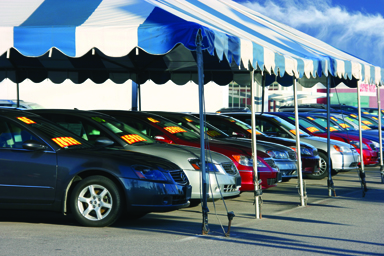
When buying a used car, you need to know its history to be sure you get what you are paying for. Start with NICB’s VINCheck This free service helps consumers determine if a vehicle has been reported as stolen, but not recovered, or has been reported as a salvage or flood-damaged vehicle by participating NICB member insurance companies. VINCheck returns a simple indicator: if something is flagged, we recommend obtaining a full vehicle history report for complete details.
Vehicle Cloning Scams: How Criminals Sell Stolen Cars with Fake VINs
Vehicle cloning is a highly profitable crime. By copying VINs from legitimate vehicles, criminals create convincing fakes and sell stolen cars to unsuspecting buyers.
The Vehicle Cloning Scam:
To game the system, criminals:
- Copy a VIN from a legally owned vehicle parked on the street, in a lot, or at a dealership
- Create a counterfeit VIN tag and corresponding fake ownership documents
- Steal a vehicle like the one with the legitimate VIN
- Replace the stolen vehicle’s VIN with the counterfeit tag, making it appear identical to the legitimate vehicle
- Sell the “cloned” vehicle to an unsuspecting buyer
Because most licensing agencies don't check for duplicate ownership when someone surrenders an out-of-state title, thieves rarely get caught.
How to Protect Yourself from Cloning
- Check the vehicle’s VIN with appropriate government agencies or your state bureau of motor vehicles
- Conduct a title search of the vehicle
- Analyze the ownership pattern for any late-model vehicle with no lien holder
- If possible, ask your insurance company to inspect the vehicle prior to purchase
Flood-Damaged Vehicles: How to Spot Title Washing and Hidden Damage
Following flooding, where do all the fully- or partially- submerged cars go? For vehicles that are insured and damaged beyond being operable, insurance companies will settle the claim as a total loss and sell the vehicle as a “salvage” vehicle at an auto auction.
However, some end up back on the dealer lot or listed online for unsuspecting buyers.
The Flood-Damaged Vehicle Scam
Dishonest dealers or other fraudulent individuals will:
- Dry out and clean the flooded vehicles
- Transport the vehicles to another state to obtain a “clean” title, called “title washing”
In some cases, original owners without insurance coverage may also attempt to sell a damaged vehicle using the original clean title.
How to Protect Yourself from “Washed-Up” Vehicles
- Buy from reputable and licensed dealers
- Carefully inspect the vehicle for:
- Water stains, mildew, and sand or silt under the carpets, floor mats, headliner cloth, behind the dashboard, and inside the seatbelt retractors.
- Fading upholstery, door panels and damaged door speakers.
- Rust on screws, specifically in areas where water would normally not settle.
- Mud in the spare tire compartment, alternator crevices, starter motor, power steering pumps and relays.
- Ask about the vehicle’s history, complete a VINCheck, and title search
- Have a certified mechanic inspect the vehicle before purchasing
Online Marketplace Car Scams: What to Check Before You Buy
As more consumers buy and sell cars using online stores like Facebook Marketplace, be aware of scams.
The Online Car Sale Scam
- Individuals selling a vehicle on Facebook Marketplace are contacted by a potential buyer.
- After agreeing on a price and maybe even contacting the seller’s bank about transferring money, the fraudulent buyer appears to provide the funds to the seller either through a false wire transfer or fake cashier’s check
- The unsuspecting seller gives the vehicle to the buyer only to learn the cashier’s check bounces or the wire funds were rescinded
How to Protect Yourself from Online Car Sale Scams
Before surrendering the vehicle and signing over a title:
- Call the bank to verify the validity of the cashier’s check
- Meet at the buyer’s bank to have the bank verify the funds in person
- Wait two business days after the wire transfer to verify receipt of the funds
Review Used Car Buying FAQs
| Can a flood-damaged car have a clean title? | Yes. If the original owner didn't have insurance coverage and never filed a claim, the vehicle may still carry its original clean title even after being cleaned up and resold. |
| Why are flood-damaged cars dangerous? | In addition to visible water damage, flood water causes functional issues that make vehicles dangerous to operate:
|
| What is a cloned vehicle? | A cloned vehicle is a stolen car that's been given a fake VIN copied from a legally owned vehicle of the same make and model. Criminals use counterfeit VIN tags and fraudulent ownership documents to sell the stolen vehicle as if it were the legitimately owned one. |
| How can I check if a VIN has been reported stolen? | Use NICB's free VINCheck® tool. Enter the vehicle's VIN to see if it's been reported as stolen (and not recovered) or reported as a salvage vehicle by participating NICB member insurance companies. You can run up to five checks per 24 hours per IP address. |
| What happens if I unknowingly buy a cloned vehicle? | Unfortunately, the vehicle is never legally yours, even if you paid for it. If the VIN switch is discovered, the car will be confiscated and returned to its rightful owner or to the insurance company that paid a theft claim on it. |
| What are the warning signs of a flood-damaged vehicle? | Look for water stains, mildew, or sand under the carpets, floor mats, or headliner; recently shampooed carpet; faded upholstery; rust on screws in areas water wouldn't normally reach or settle; mud around the spare tire, alternator, or starter motor; and moisture inside the seatbelt retractors. |
| What is title washing? | Title washing is when a flood-damaged or salvage vehicle is transported to a different state to fraudulently obtain a "clean" title, hiding its damage history from the next buyer. |
| What should I check before buying a used car from a private seller? | Complete a VINCheck search. Check the VIN with your state's bureau of motor vehicles, run a title search, and secure a full vehicle report from an NICB third-party partner. If possible, have a certified mechanic inspect the vehicle first. |
| Is NICB's VINCheck really free? | Yes, NICB offers VINCheck as a free service to help protect consumers and provide information about vehicle histories based on information provided by 92.49% our member companies. We do limit searches to five per IP address daily. |
| What should I do if I suspect I've encountered a fraudulent vehicle sale? | Contact NICB by submitting an online report or calling 800-TEL-NICB (800-835-6422). |